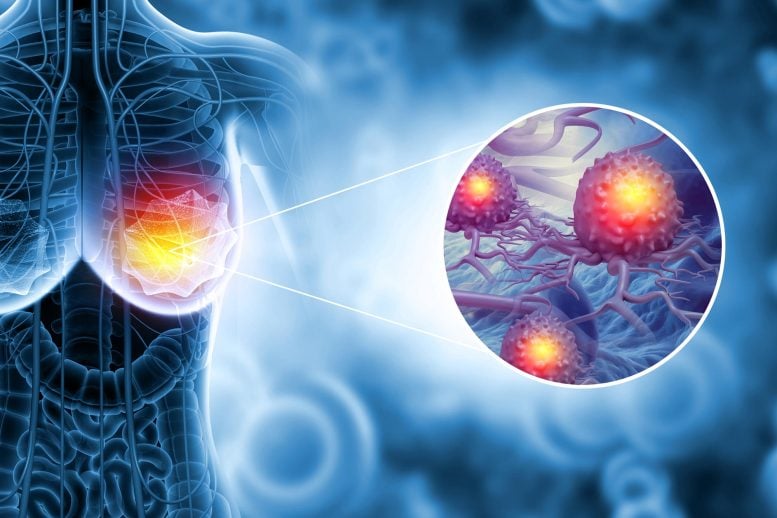
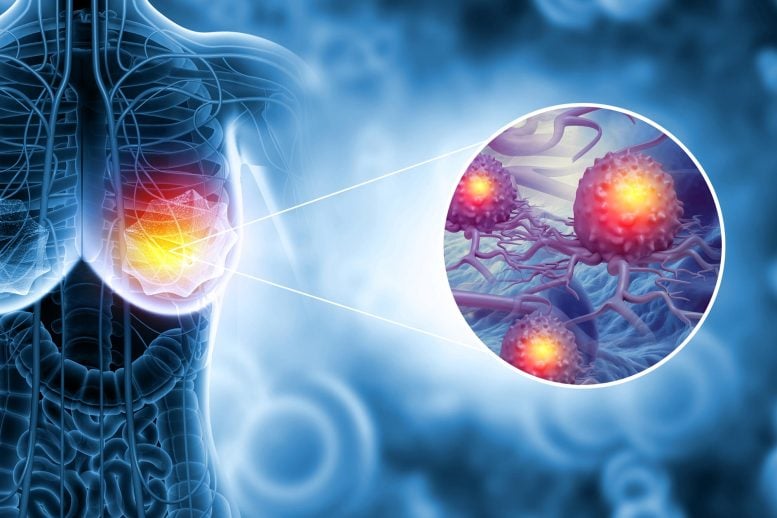
 Scientists have uncovered a biological mechanism that may help explain why breast cancer becomes more dangerous with age. In older mice, breast cancer was far more likely to spread to the lungs, even when the original tumors grew at roughly the same rate as those in younger animals. Researchers at Georgetown’s Lombardi Comprehensive Cancer Center […]
Scientists Discover a Surprising New Target for Treating Type 2 Diabetes

 A clinical trial has uncovered a molecular change in skeletal muscle that may help explain why exercise improves insulin sensitivity in people with Type 2 diabetes. A protein found in unusually high amounts in the muscles of people with Type 2 diabetes may be interfering with the body’s ability to respond to insulin. Researchers discovered […]
Eating a Handful of Peanuts Could Change Your Blood in a Surprising Way, Study Finds
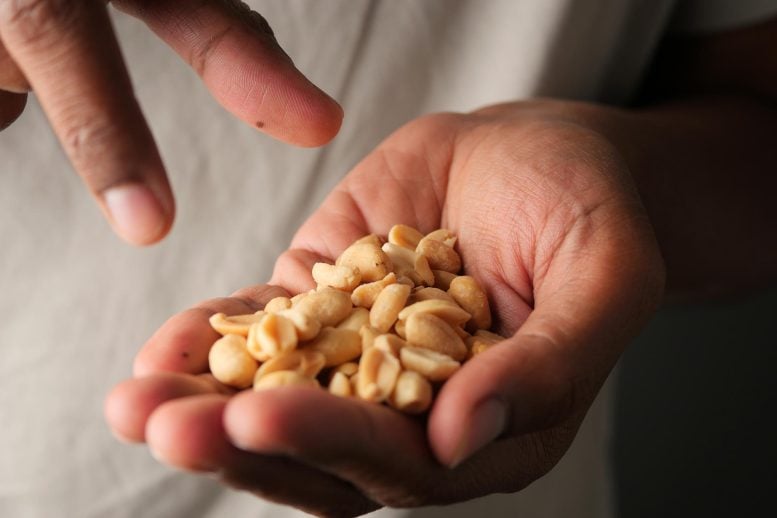
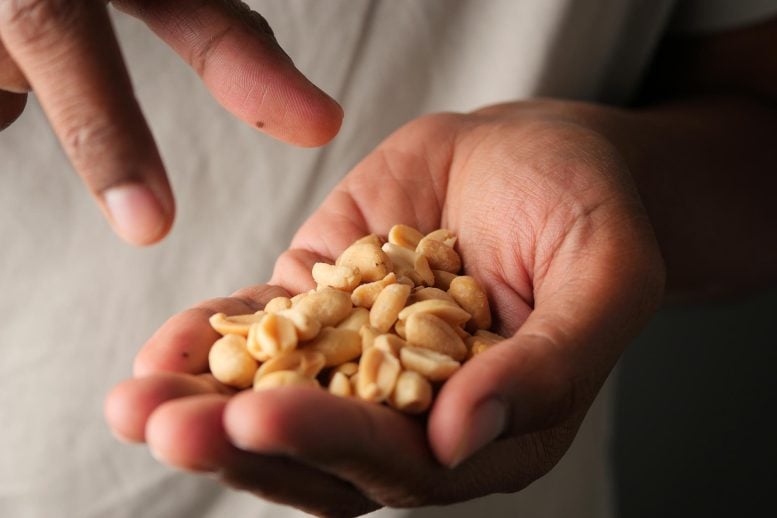 A handful of peanuts may leave a telltale signature in your blood, and researchers have linked that pattern to a lower risk of type 2 diabetes. What happens inside your body after eating a handful of peanuts? Beyond providing protein, fiber, and healthy fats, these popular legumes appear to leave a distinctive chemical fingerprint in […]
Scientists Use Light To Build a New Generation of Drug Molecules
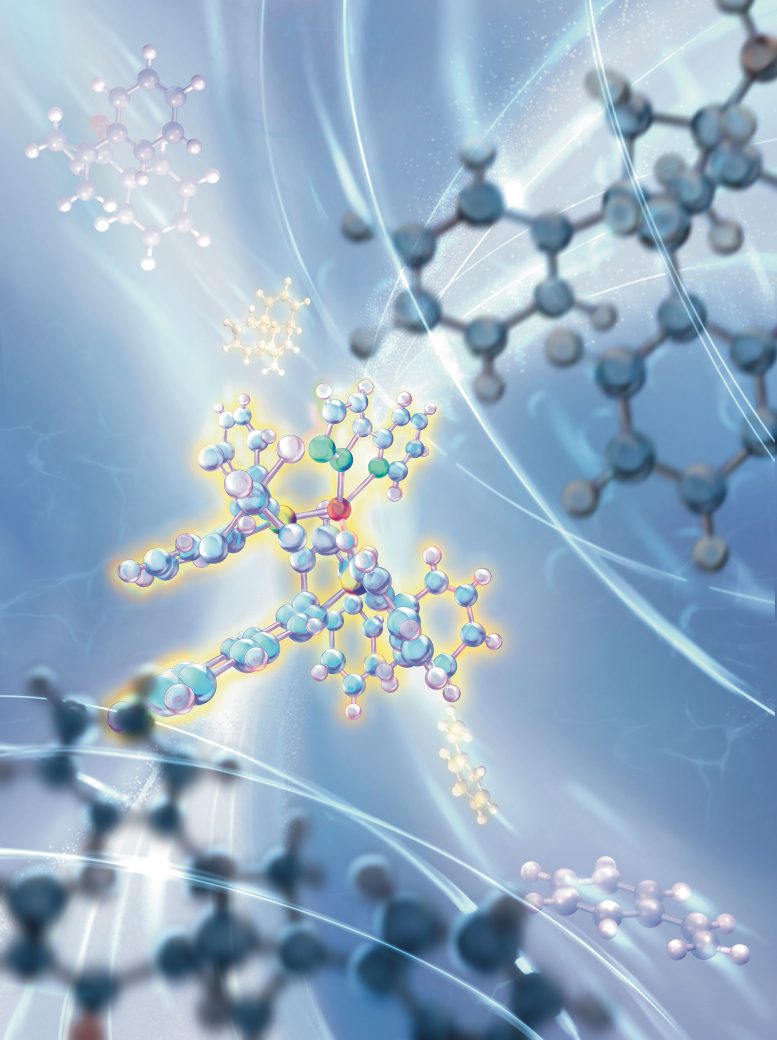
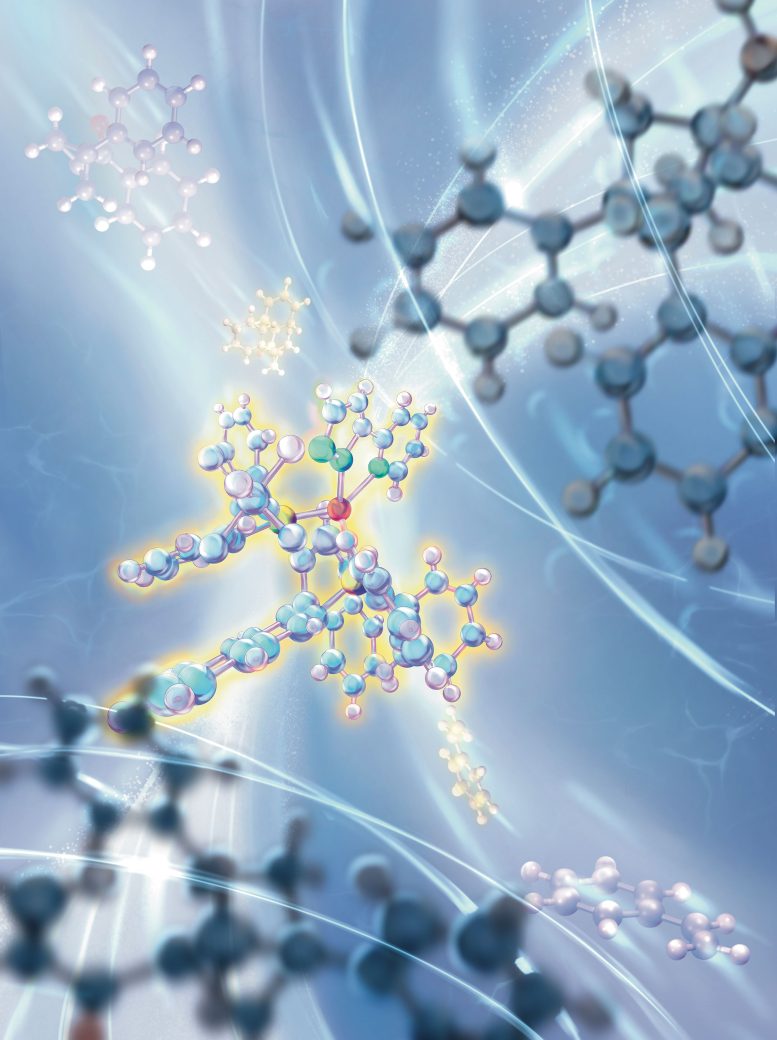 The flat molecular structures commonly found in medicines can limit their properties. A new light-powered chemical technique could give scientists more freedom to design drug molecules with complex three-dimensional shapes. Researchers at the University of Hong Kong (HKU) have developed a way to produce molecular structures that could serve as alternatives to benzene rings, which […]
Scientists Unlock a 1,000-Year-Old Mystery Buried Inside Ancient Melon Seeds
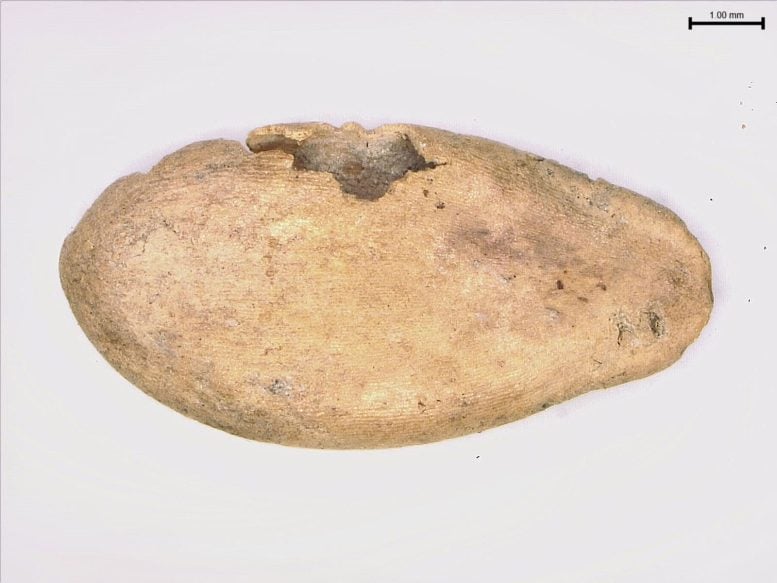
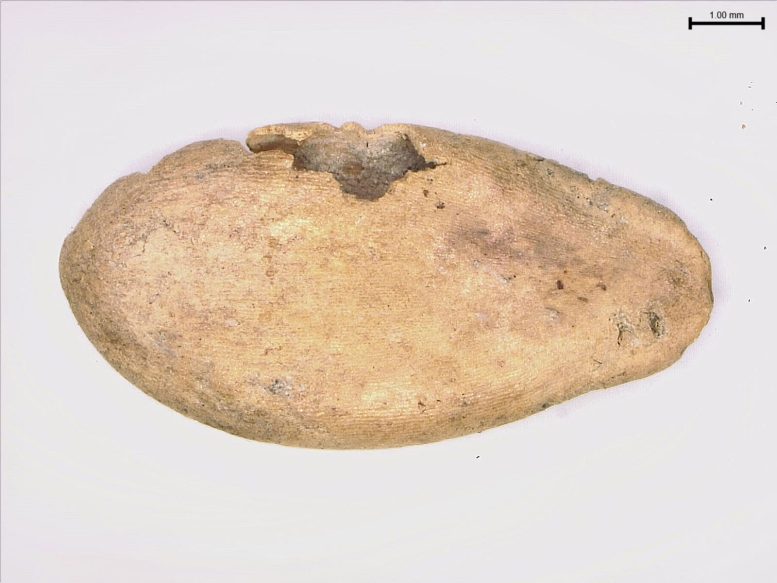 Ancient DNA recovered from melon seeds at a medieval Chinese port is revealing surprising clues about the fruit’s origins and evolution. Melons grown in medieval China may have looked and tasted very different from the sweet varieties enjoyed today. DNA recovered from ancient seeds suggests these fruits had light-green flesh, yellow skin, and genetic ties […]
Scientists Create Stunning, Car-Quality Paint Without Using a Single Pigment
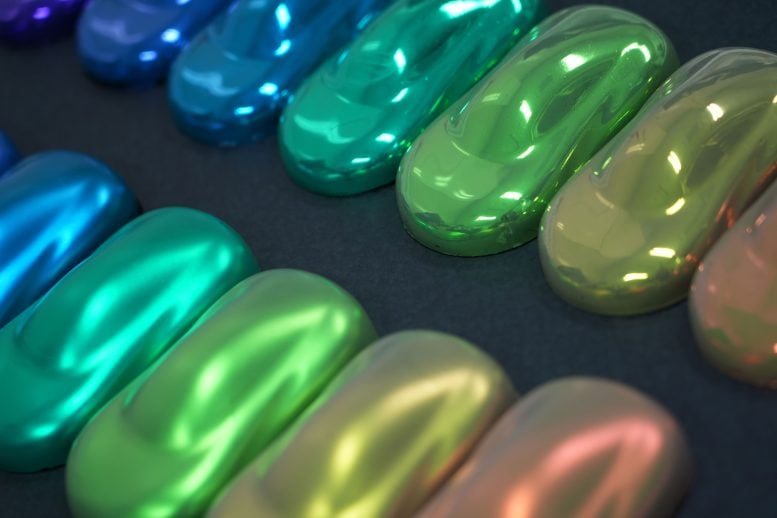
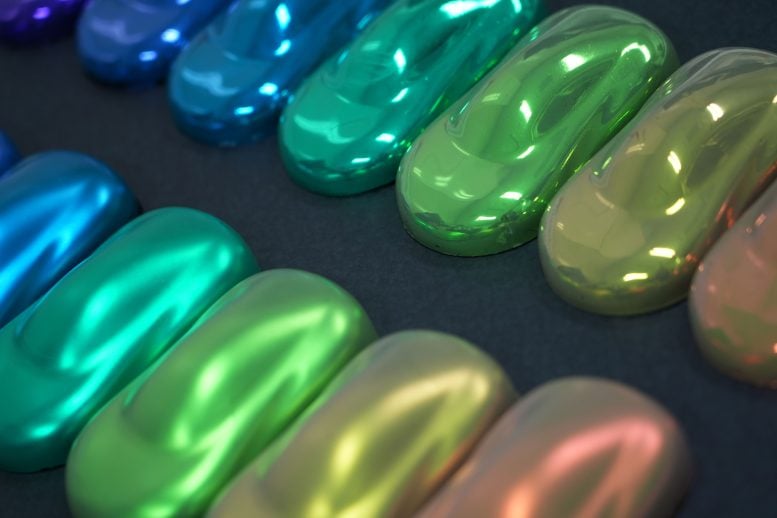 A new silicon-based coating could dramatically reduce the weight and environmental impact of conventional paints. A glossy, car-quality finish no longer has to depend on pigments. Researchers at Kobe University have developed a coating made from silicon nanoparticles that produces vivid, lasting color without the fading or angle-dependent shifts associated with many conventional coloring technologies. […]
New Treatment Strategy Makes Cancer Cells Run Out of Energy and Die
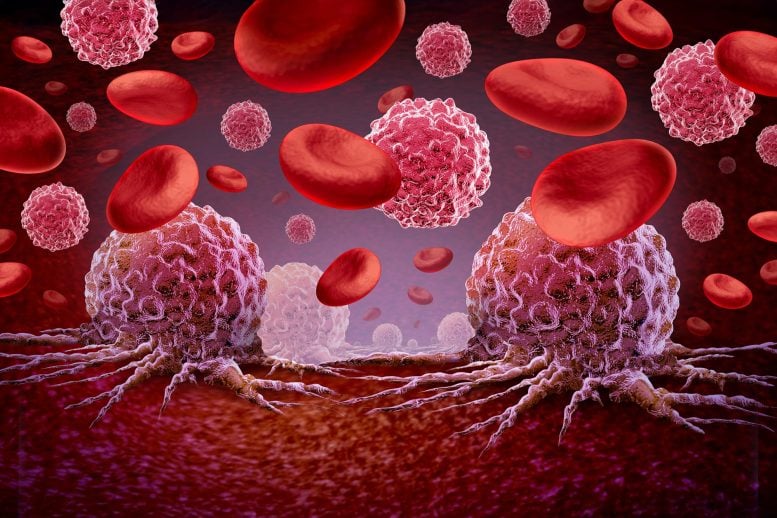
 A promising new drug combination exploits a metabolic vulnerability in leukemia cells. Researchers have discovered a way to kill leukemia cells by forcing them to remain highly active even as their energy supply is disrupted. The experimental treatment has produced promising results in mice and patient-derived cancer cells, including a particularly aggressive form of the […]
A Promising Way To Reverse Cognitive Decline Just Failed a Major Clinical Test
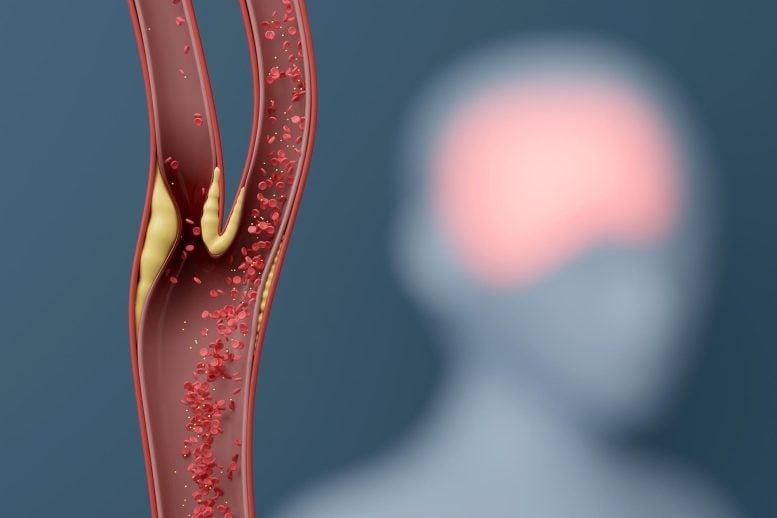
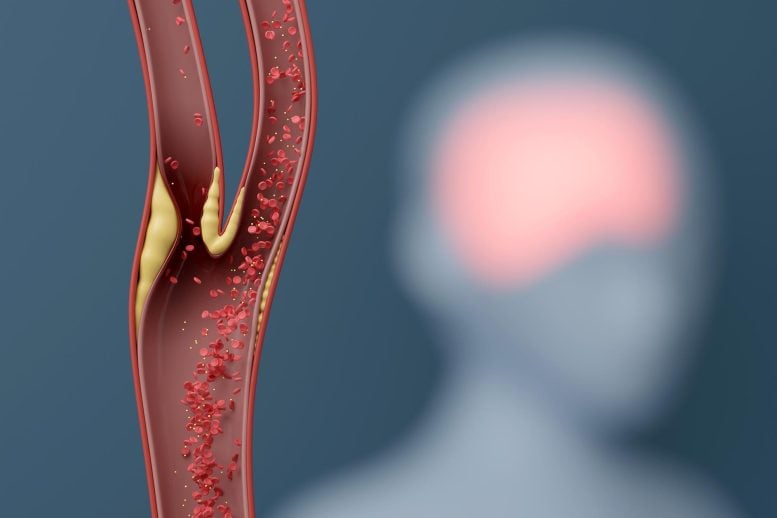 Restoring blood flow to the brain seemed a promising way to protect thinking skills, but opening severely narrowed arteries did not deliver the cognitive boost researchers hoped for. A Columbia-led randomized trial found that people with severe carotid artery narrowing gained no additional cognitive benefit from stenting or surgery compared with medication alone over one […]
Scientists Challenge a Long-Held Belief About Artificial Sweeteners

 New evidence challenges the idea that consuming more sweetness increases cravings or appetite. Replacing sugar with artificial sweeteners does not appear to increase hunger, intensify cravings for sweet foods, or interfere with weight management, according to a review of three major European clinical trials. The research also found little evidence that consuming a sweeter diet […]
These Tiny Magnetic Waves Could Unlock a New Era of Ultra-Efficient Computers
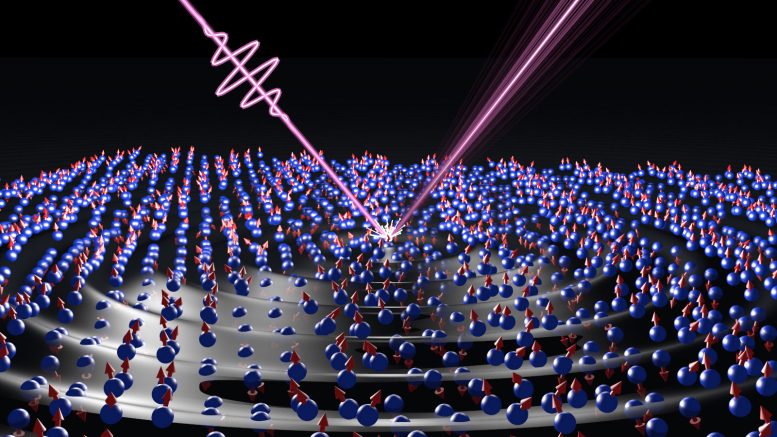
 Scientists have discovered that tiny magnetic excitations can persist much longer than expected. Magnetic waves inside a quantum material can hold onto their energy far longer than scientists expected, potentially opening a path toward faster computers that consume less electricity. Researchers at the Paul Scherrer Institute (PSI) discovered that these microscopic excitations survive for an […]