
 A major scientific review involving more than 50,000 children and adolescents reveals that daily iron supplementation can significantly reduce the risk of iron deficiency anemia. A daily iron supplement can substantially reduce the risk of iron deficiency anemia in children and teenagers, but it does not appear to improve growth or protect against common illnesses. […]
Scientists Uncover a Natural Molecule That Makes Muscles Stronger and More Resistant to Fatigue

 A molecule released during exercise could help muscles fight the weakness and fatigue that make staying active so difficult for many people with type 2 diabetes. Exercise does more than burn calories and build strength. It triggers a complex series of chemical signals that help muscles become stronger, more efficient, and more resistant to fatigue. […]
This Dietary Supplement Could Have Potential Brain Benefits, Study Finds
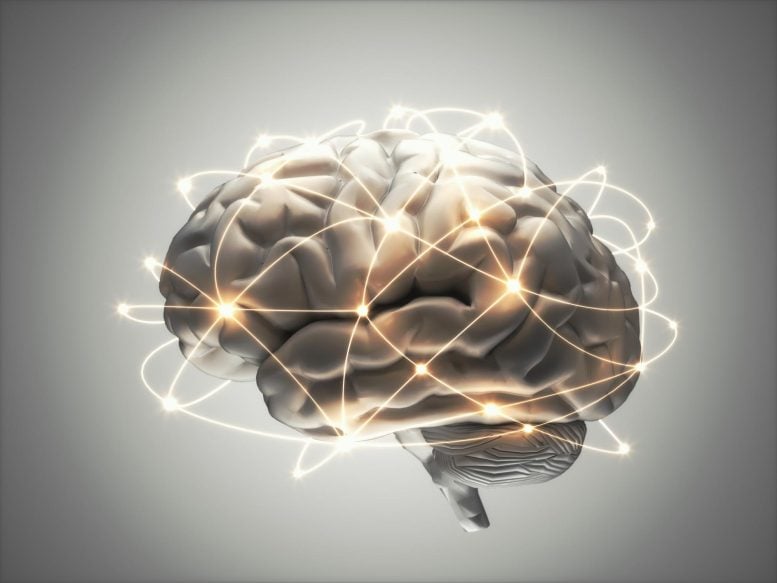
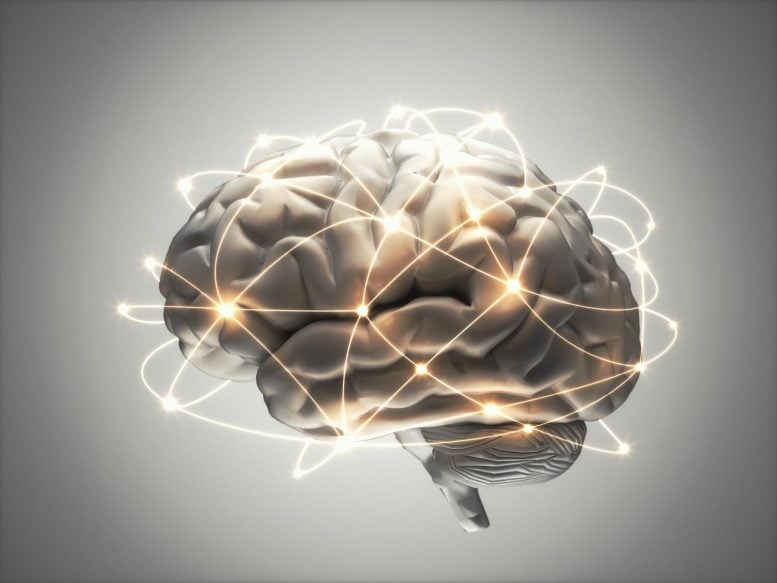 A supplement containing a substance naturally made by gut bacteria increased blood flow to a memory-related brain region in adults with obesity, raising new questions about its potential benefits. When the brain works harder, it needs more blood to supply oxygen and nutrients. For people with obesity, changes in blood vessel function can affect circulation, […]
Scientists Find That Mice, Not Deer, Hold a Major Clue to Lyme Disease Risk

 A 35-year study reveals that mice, acorns, and unexpected environmental forces hold surprising clues to predicting Lyme disease risk. A remarkable 35-year study is challenging long-held assumptions about Lyme disease, revealing that mice, acorns, and even extreme weather influence tick populations in unexpected ways. One of the biggest surprises is that deer, often associated with […]
Stanford Scientists Discover 3 Hidden Brain Types in Children With ADHD and Anxiety

 Scientists have identified three distinct patterns of brain activity in children with ADHD, anxiety, or both, revealing biological differences that traditional diagnoses often overlook. Brain scans have uncovered three distinct patterns of disrupted brain activity in children with ADHD, anxiety, or both conditions. These patterns do not align neatly with conventional diagnoses, suggesting that children […]
What Is a Thought Made Of? Scientists Reveal Why Human Consciousness May Be Beyond the Reach of AI
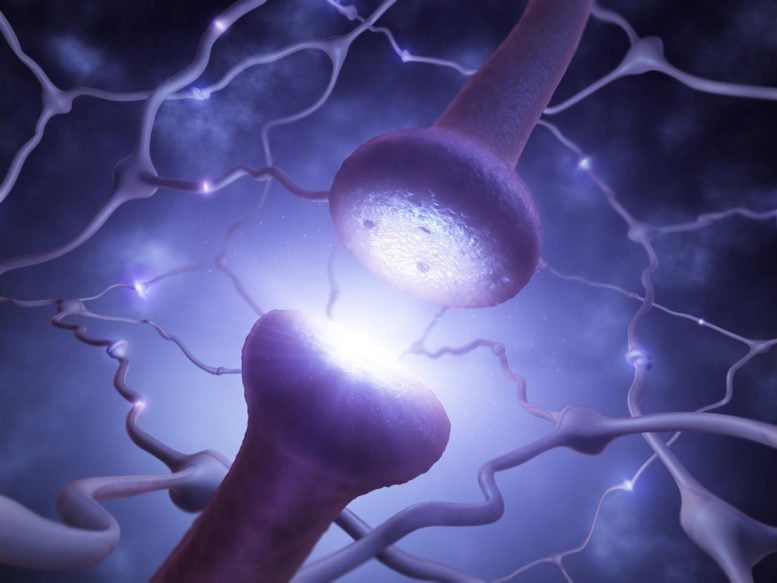
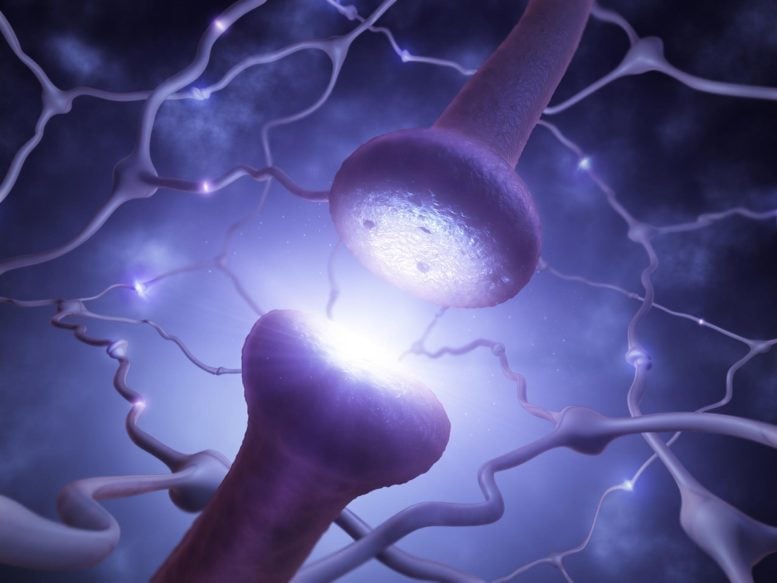 A familiar song can pull you back decades in an instant, and the chemistry behind that rush of memory may hold clues to what separates human minds from AI. How does the brain turn a collection of memories into thoughts, emotions, and the experience of being conscious? Scientists have spent decades studying how neurons communicate […]
Tiny Grains of Sand Could Reveal What the Weather Was Like on Mars Billions of Years Ago

 Scientists have discovered a surprising connection between sand grain size and the winds that shape dunes on Earth and Mars. The size of a sand grain could reveal how fast the wind was blowing when a desert dune formed, even billions of years ago. Stanford University researchers have discovered that dunes on Earth and Mars […]
Scientists Discover 15,000-Year-Old Clay Figures That Rewrite the History of Human Art
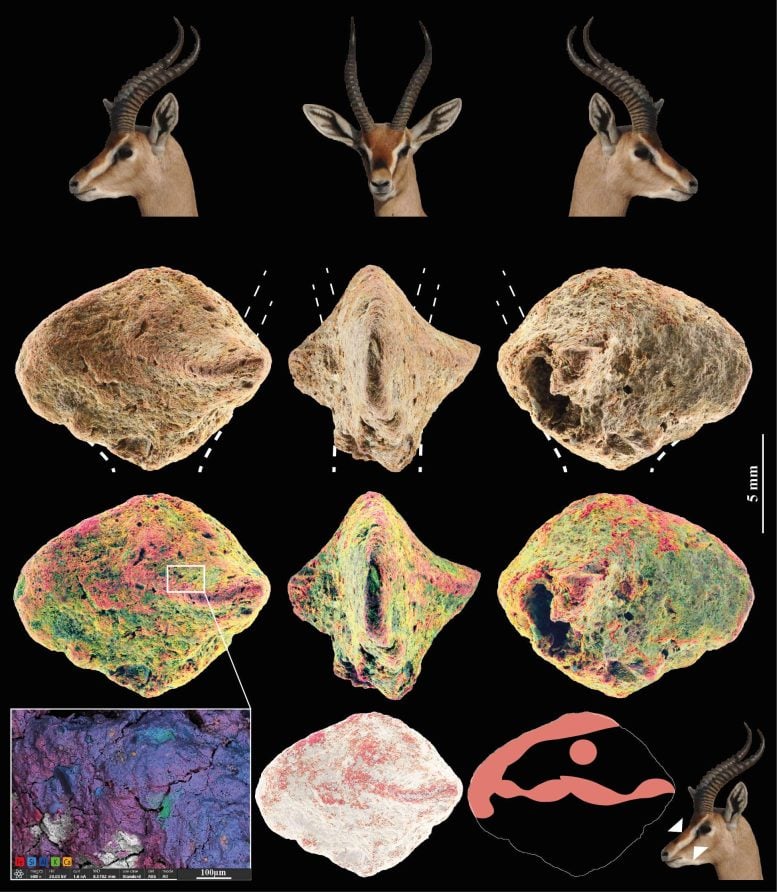
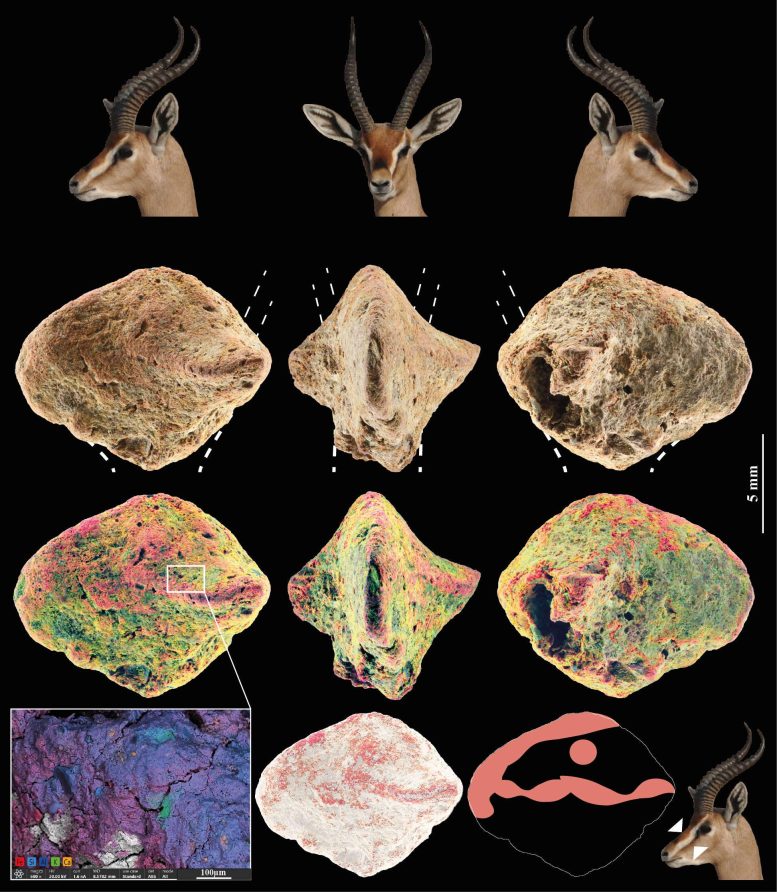 Clay figurines from the Middle East suggest that artistic traditions were already being shared across generations before farming, possibly with children taking part in their creation. Long before agriculture transformed life in the Middle East, people were already shaping clay into figures that reflected the world around them. Some resembled birds, mammals, and humans, while […]
Scientists Discover Mysterious Toxic Chemicals Floating in the Air Above America

 Scientists conducting atmospheric research in rural Oklahoma unexpectedly detected a toxic class of industrial chemicals never before measured in the air of the Western Hemisphere. Toxic industrial chemicals used in everything from metalworking fluids to plastics have turned up in an unexpected place: the air above rural Oklahoma farmland. Researchers detected medium-chain chlorinated paraffins (MCCPs) […]
Scientists Discover a Hidden Magnetic Effect That Produces Signals 100 Times Stronger
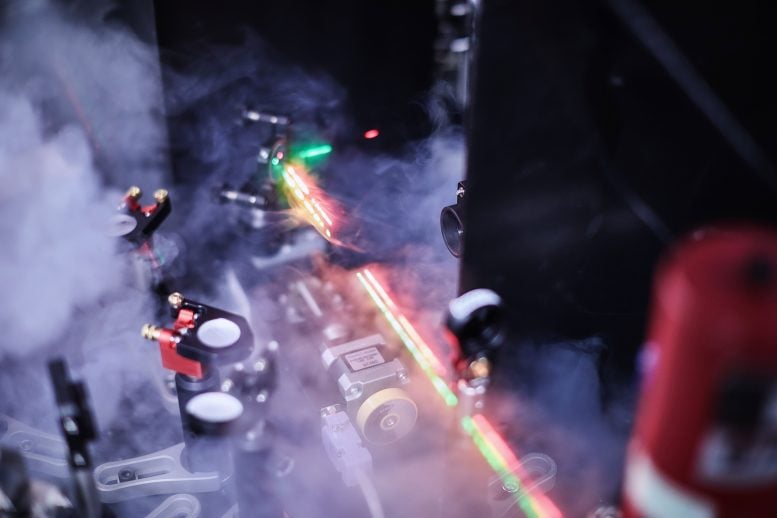
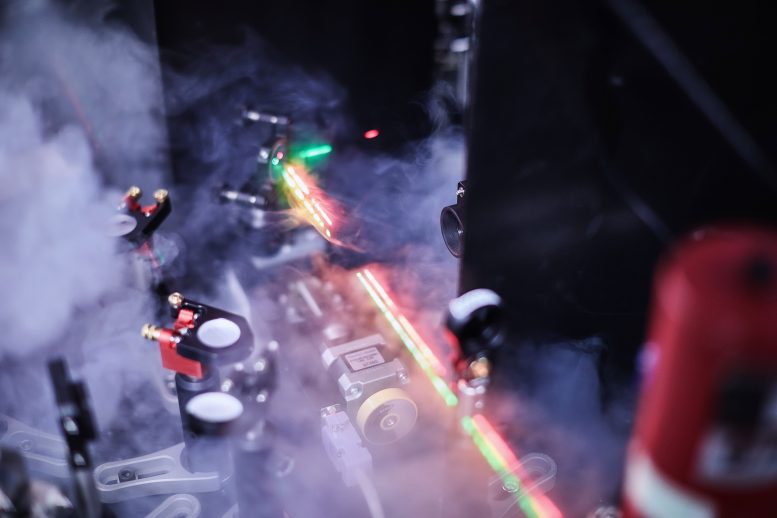 Antiferromagnets could pave the way for faster, more energy-efficient electronics, but accurately measuring their properties remains a major challenge. A nearly invisible layer of magnetic material can overwhelm scientific measurements, producing signals more than 100 times stronger than those of the material researchers are trying to study. Scientists at Martin Luther University Halle-Wittenberg (MLU) and […]