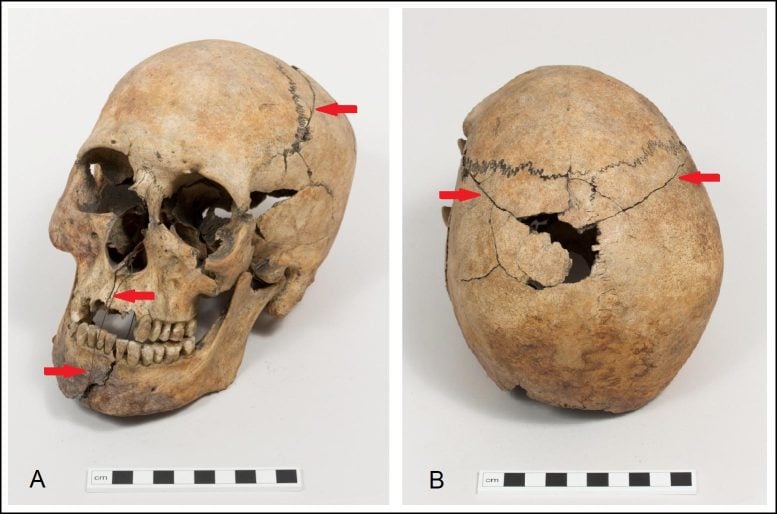
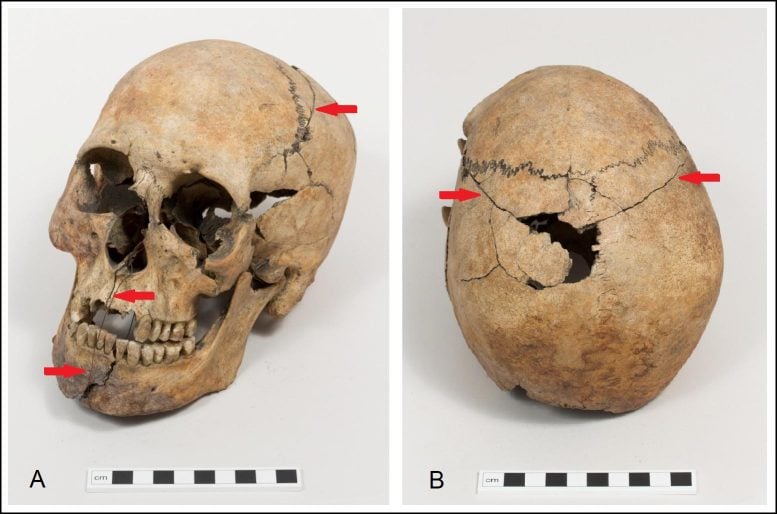
 Radiocarbon dating and traces of a vanished wooden coffin suggest that a Roman sarcophagus at Westminster Abbey became the final resting place of a medieval abbot. A Roman stone coffin at Westminster Abbey bears the name of a wealthy Briton who lived nearly 1,700 years ago. Yet the skeleton found inside appears to belong to […]
Scientists Discover Mysterious 150,000-Year-Old Bone From an Extinct Human Relative in Chinese Cave
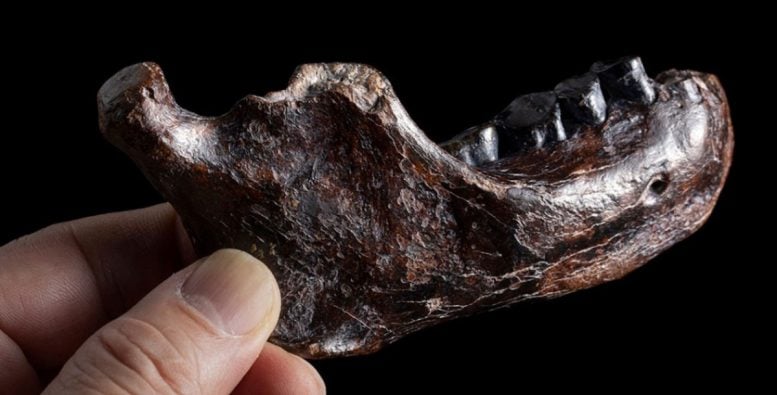
 A search through more than 60,000 bone fragments uncovered the first confirmed Denisovan radius, a forearm bone offering rare clues to how these ancient human relatives were built. A forearm fragment from a cave in southwest China combines features resembling those of Neanderthals and modern humans, yet it belonged to neither. Proteins preserved in the […]
Scientists Trap a Rare-Earth Metal in a Molecular Cage, Unlocking a Strange New State
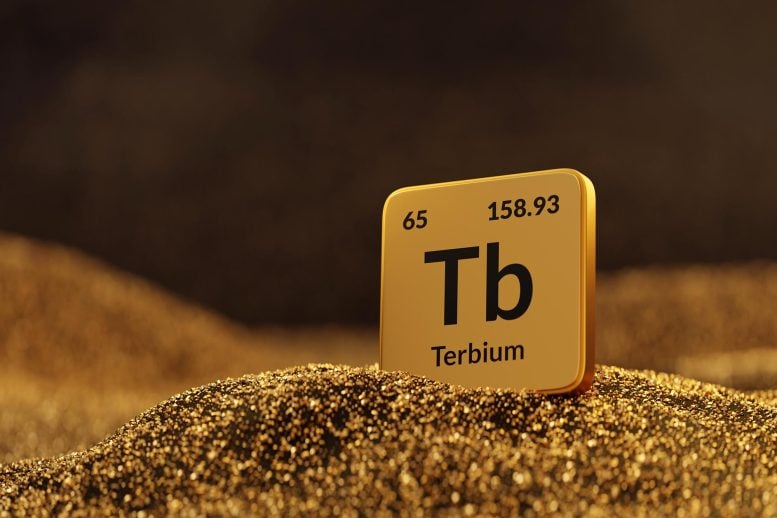
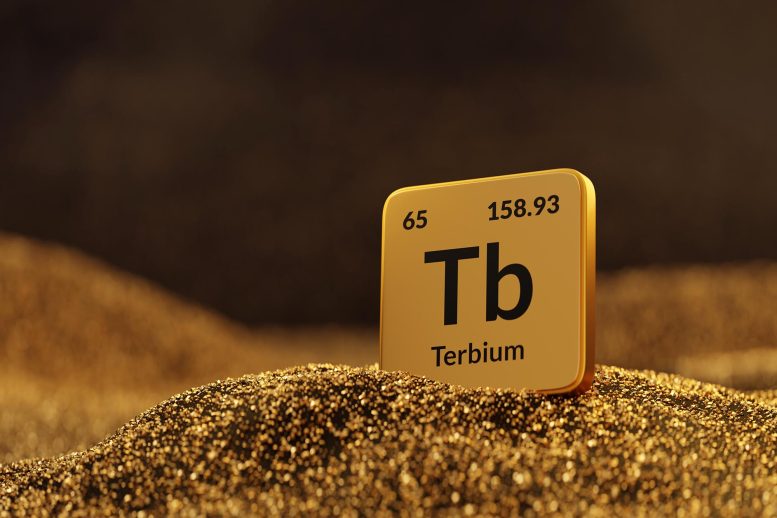 Molecular cages helped chemists remove one electron from terbium, making an unusual form easier to study for possible uses in quantum computing and advanced sensors. Rare-earth metals are essential to modern technologies, from smartphones and high-performance magnets to advanced medical devices. Yet separating these valuable elements remains a major challenge because many share remarkably similar […]
Why Do We Have Necks? Scientists Uncover a 380-Million-Year-Old Evolutionary Twist
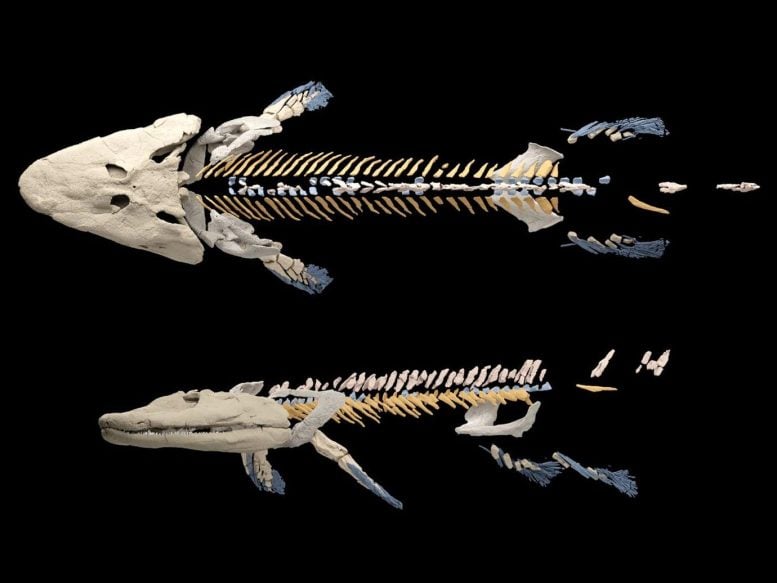
 The first necks may owe more to the beginnings of walking than to looking around, according to models showing how little our early ancestors could move their heads. In fish, the shoulders attach directly to the skull, so looking left or right means turning the whole body. Some of the animals making the transition from […]
Tiny Magnets Implanted in Muscles Are Giving Prosthetic Hands a Remarkable New Ability
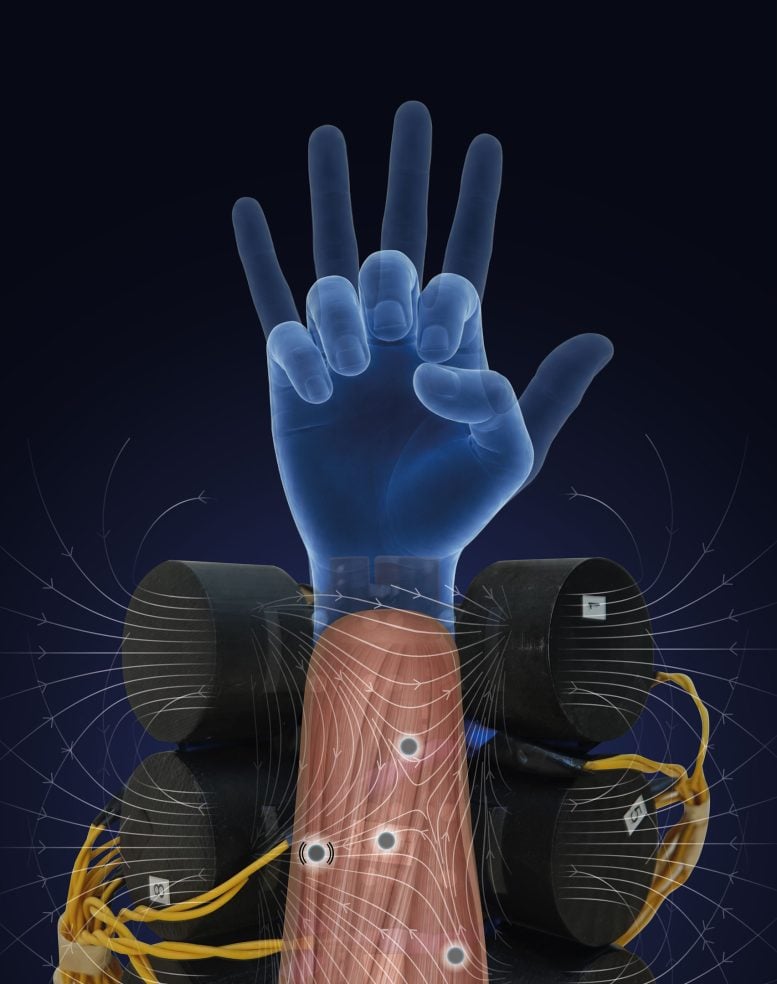
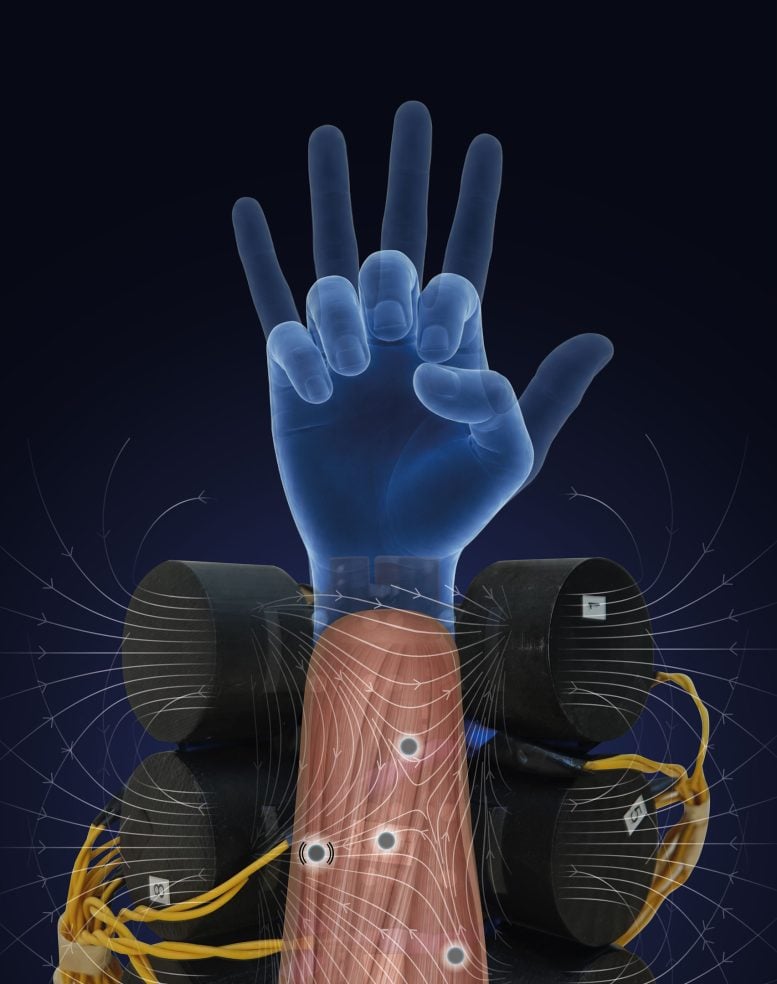 Tiny magnets implanted in muscles are helping a prosthetic hand feel like it is opening and closing naturally. You can close your eyes, make a fist, or reach for an object without ever needing to look at your hand. That seemingly effortless ability depends on a hidden sense called kinesthesia, which tells the brain how […]
“Strangest of Its Kind”: Scientists Uncover a Bizarre Bacterial Self-Destruct Switch
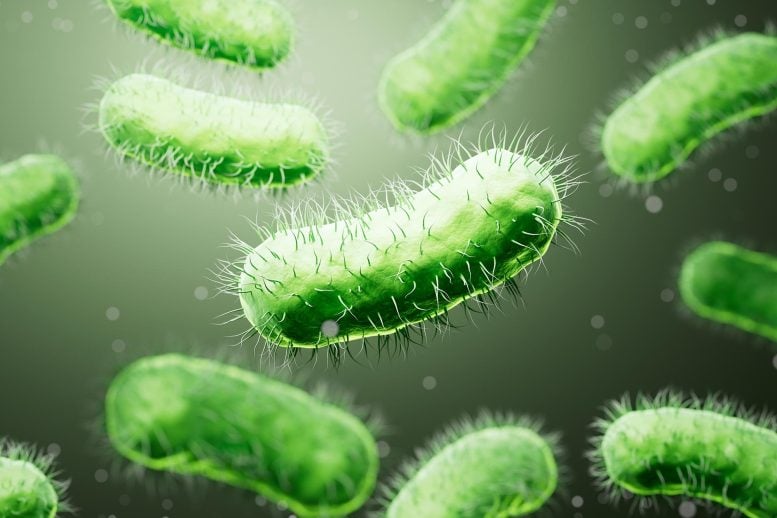
 An unusual bacterial defense uses DNA to switch on toxin production, suggesting a new way to build molecular tools that control genes. nb An infected bacterium can protect its neighbors by destroying itself before the virus inside it has a chance to multiply. Bacterial immune systems called retrons trigger this sacrifice when they detect particular […]
Scientists Discover a Strange Insect in the Himalayas Where No One Expected It
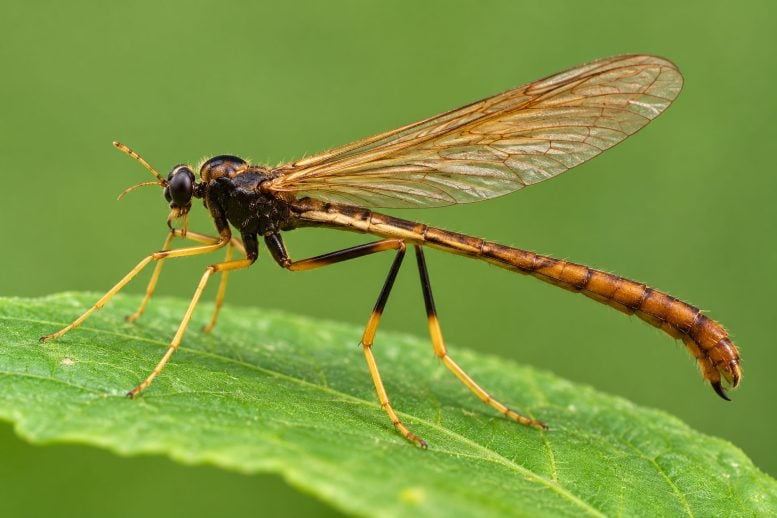
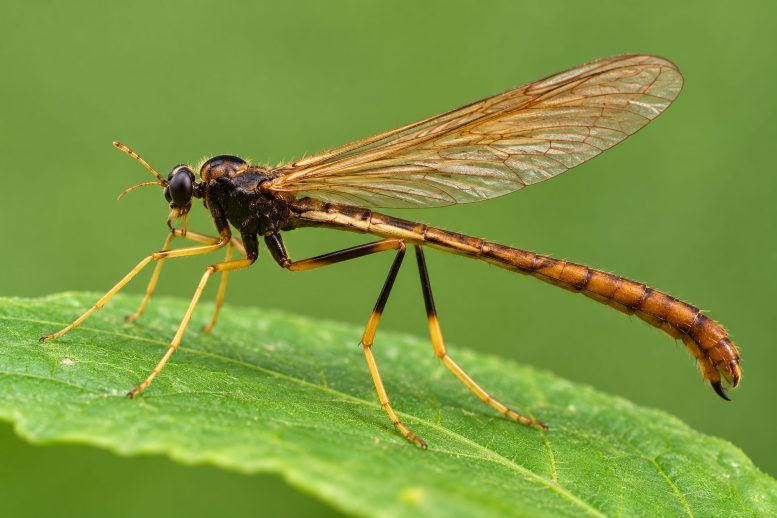 A newly identified Himalayan wormlion challenges the idea that its genus lives only in the tropics, raising the possibility of undiscovered relatives on nearby mountain slopes. In rain-sheltered patches of sand and soil on the southern slopes of the Himalayas, wormlion larvae build funnel-shaped pits to catch prey. Larvae belonging to this group were first […]
Scientists Reverse 60 Years of Aging in Human Cells, Turning 80-Year-Old Cells Into 20-Year-Olds
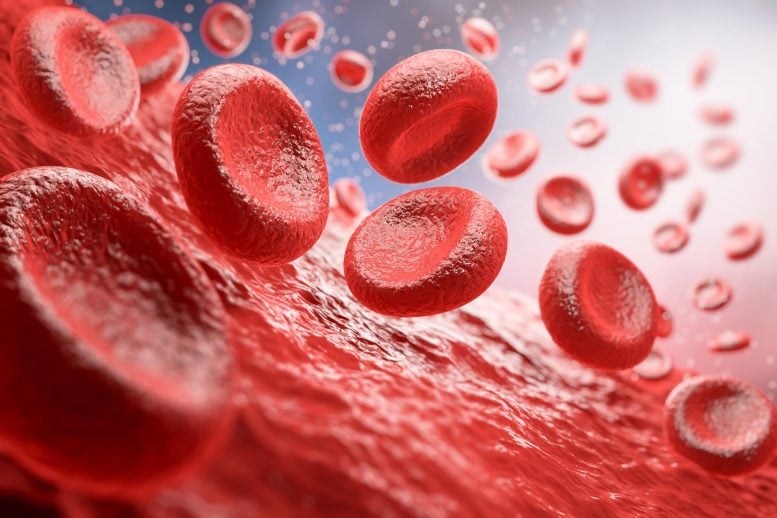
 Cells from an 80-year-old were reprogrammed to a molecular age below 20, and the slow-motion reset could help reveal how cellular rejuvenation works. What if scientists could turn back the biological clock of an 80-year-old human cell, making it behave like one from someone younger than 20? Researchers in Germany have accomplished just that, reversing […]
Scientists Uncover a Hidden Secret That Could Transform Chemical Manufacturing
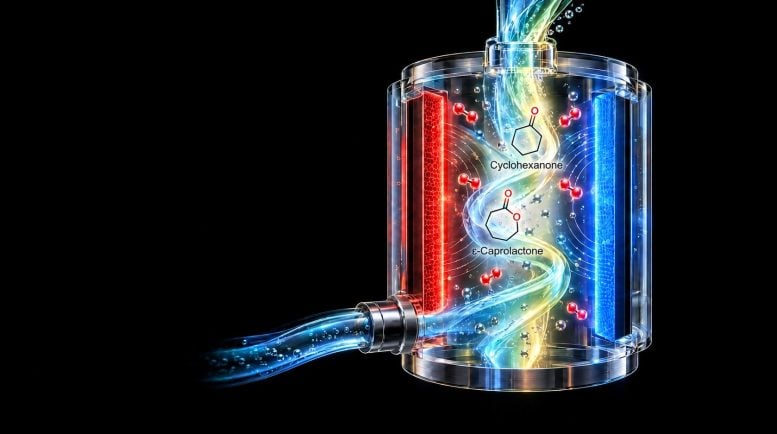
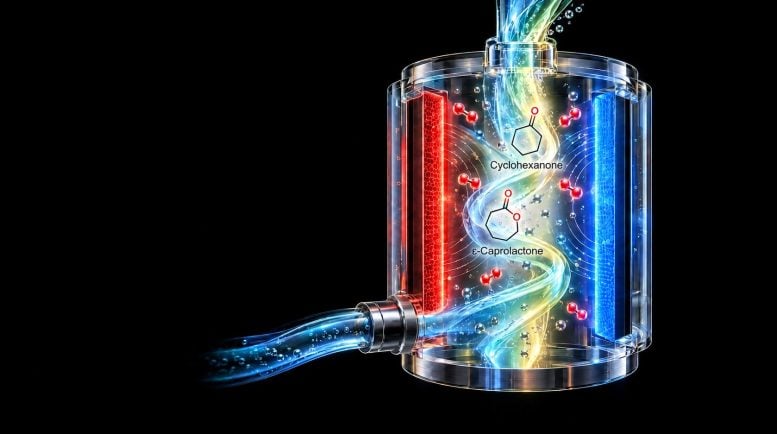 A hidden variable in chemical reactions could hold the key to cleaner and more efficient manufacturing. Scientists have identified a hidden factor that can determine whether a chemical reaction succeeds or fails. By controlling tiny changes in acidity near electrodes, researchers dramatically improved the production of valuable chemical ingredients, raising the proportion of the desired […]
NASA’s Artemis I Reveals a Surprising Radiation Mystery Near the Moon
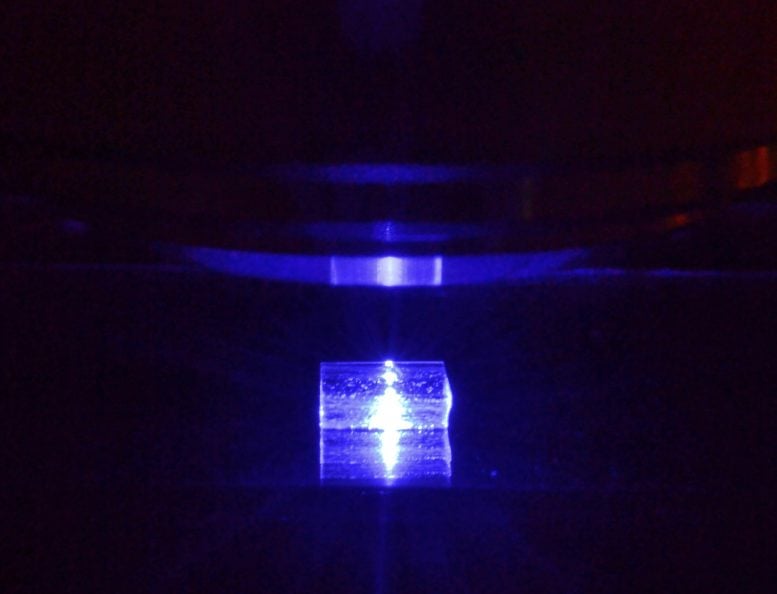
 Radiation near the Moon can pass straight through the body, yet preliminary Artemis I measurements suggest a smaller-than-expected increase in exposure compared with low Earth orbit. Beyond Earth’s protective magnetic field, astronauts face a constant bombardment of high-energy particles from deep space. But how much radiation would they actually absorb during a journey around the […]