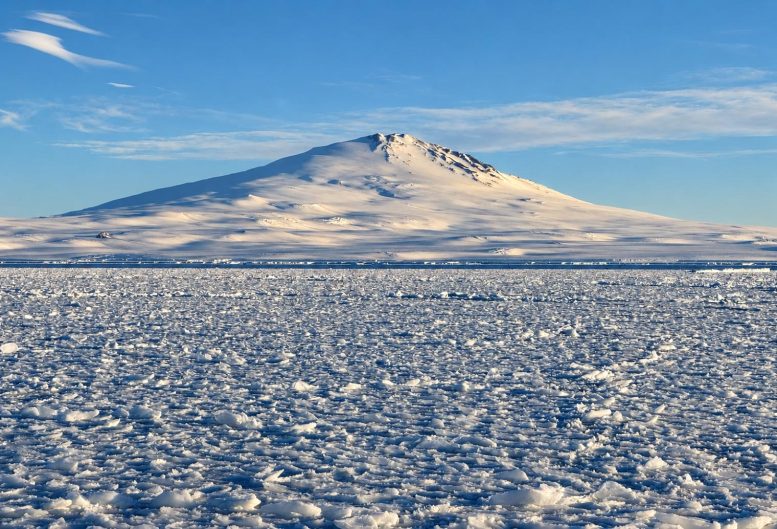
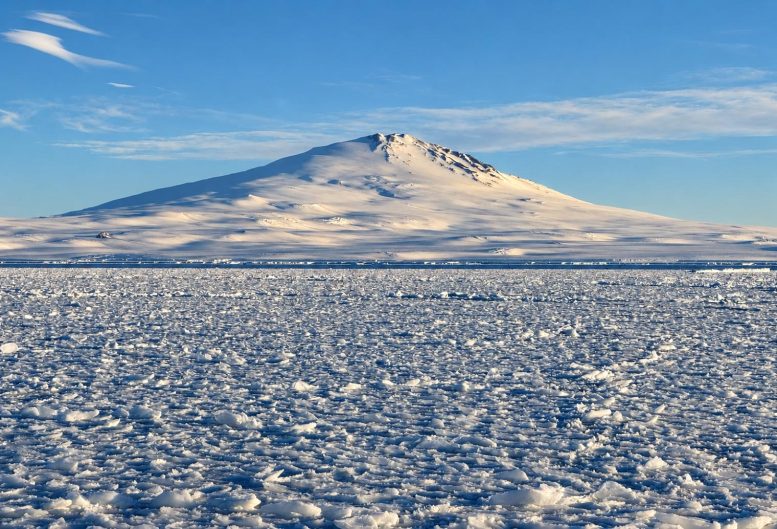
 Ocean measurements show a vast Southern Hemisphere water layer growing saltier and denser, a shift that could send more heat into deep waters than climate models predict. Every Antarctic summer, melting sea ice sends a vast pulse of fresh water into the ocean. That seasonal supply helps sustain Antarctic Intermediate Water (AAIW), a layer of […]
NASA Warns a Monster El Niño Could Surpass the Historic 1997 Event
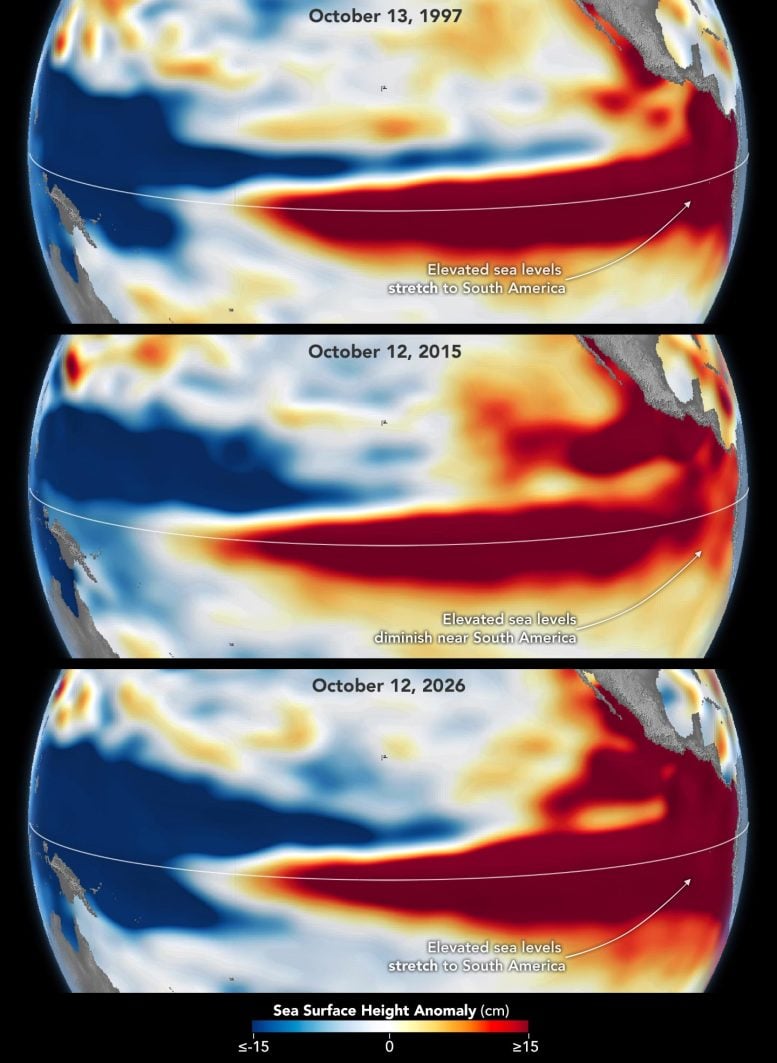
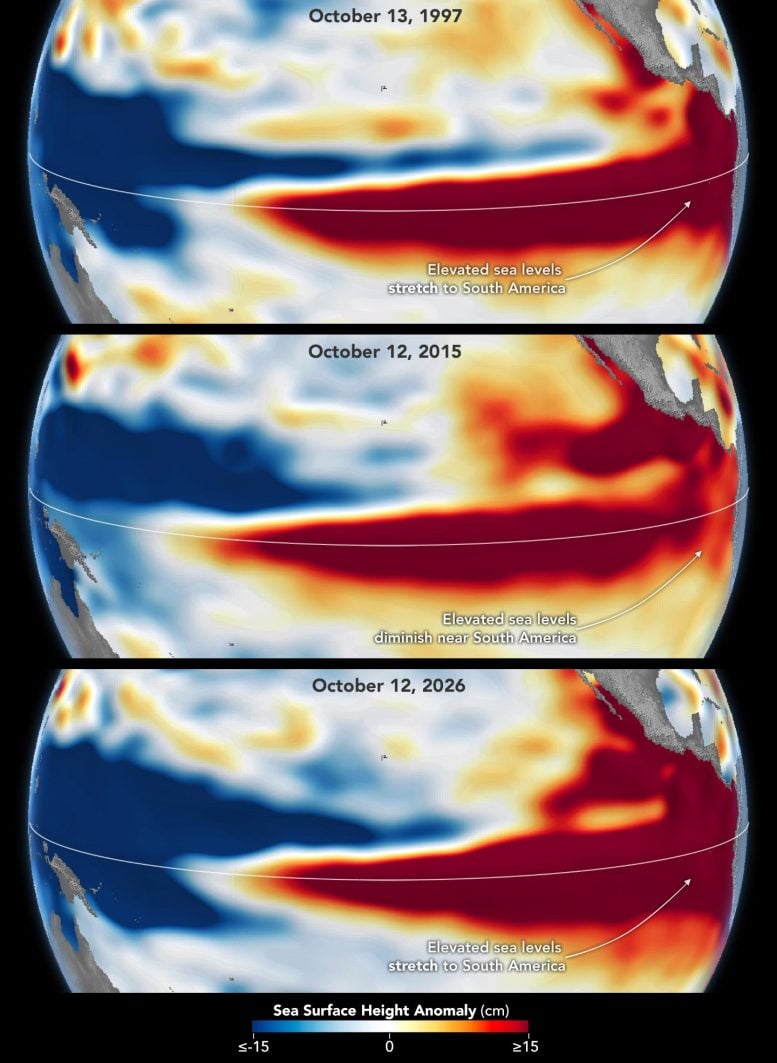 An El Niño that could beat 1997’s record is taking shape in the Pacific, leaving scientists watching for its next move. El Niño is part of a natural climate pattern that returns roughly every two to seven years. Its most recent very strong events, in 1997–98 and 2015–16, disrupted weather worldwide. Consequences included fires in […]
Researchers Discover New Lace Bug Species on Japan’s Remote Ogasawara Islands
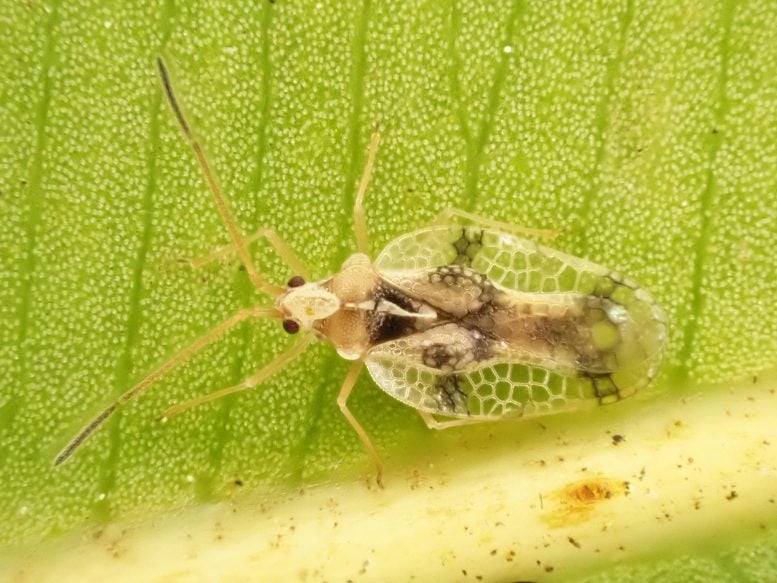
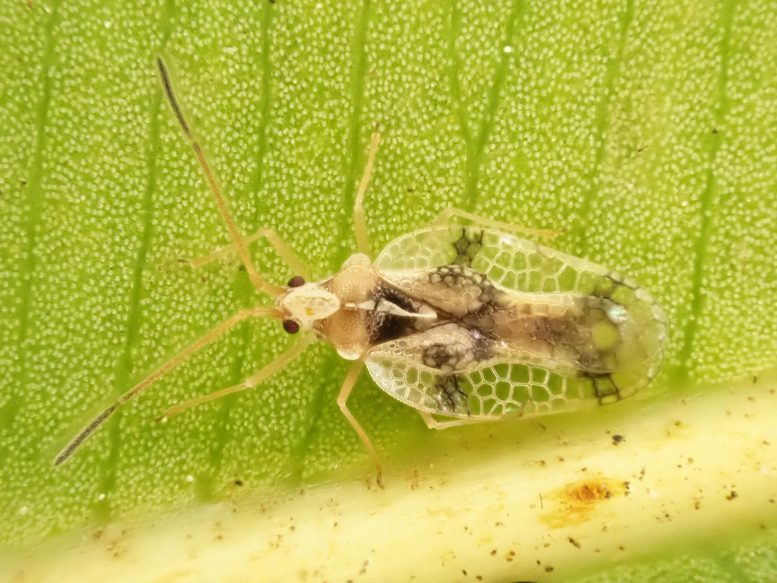 DNA uncovered a hidden species among Japan’s lace bugs and hints that a tree introduced by humans could help give rise to another. Lace bugs living on two groups of Japan’s remote Ogasawara Islands had been classified as a single species, despite differences in their diets and coloring. Comparisons of their DNA have now revealed […]
How a Single Missing Atom Can Leave a Secret Fingerprint in Laser Light
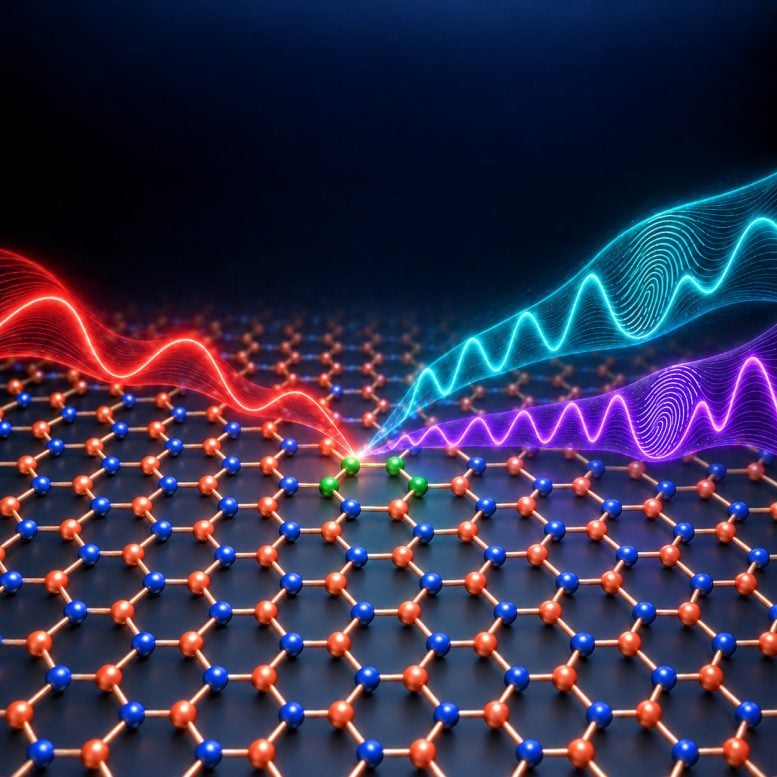
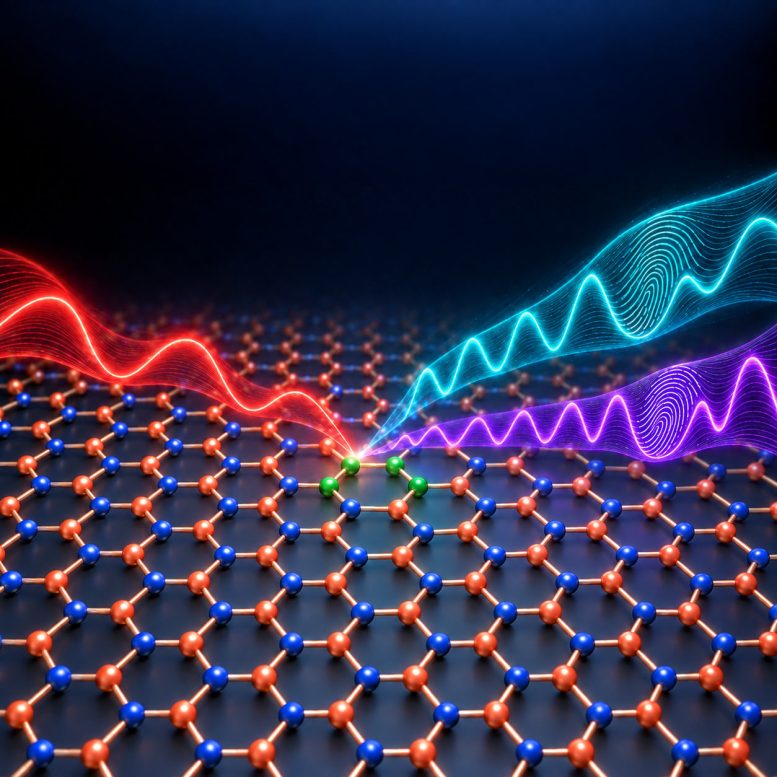 Researchers have uncovered subtle optical signatures that could help distinguish atomic defects in a promising quantum material. An atomic defect too small to see could leave a recognizable signature in laser light, giving scientists a new way to identify structures that may be useful for quantum technology. Researchers at the University at Buffalo have predicted […]
“This Should Not Happen”: Scientists Discover a Strange New Way To Control Atoms
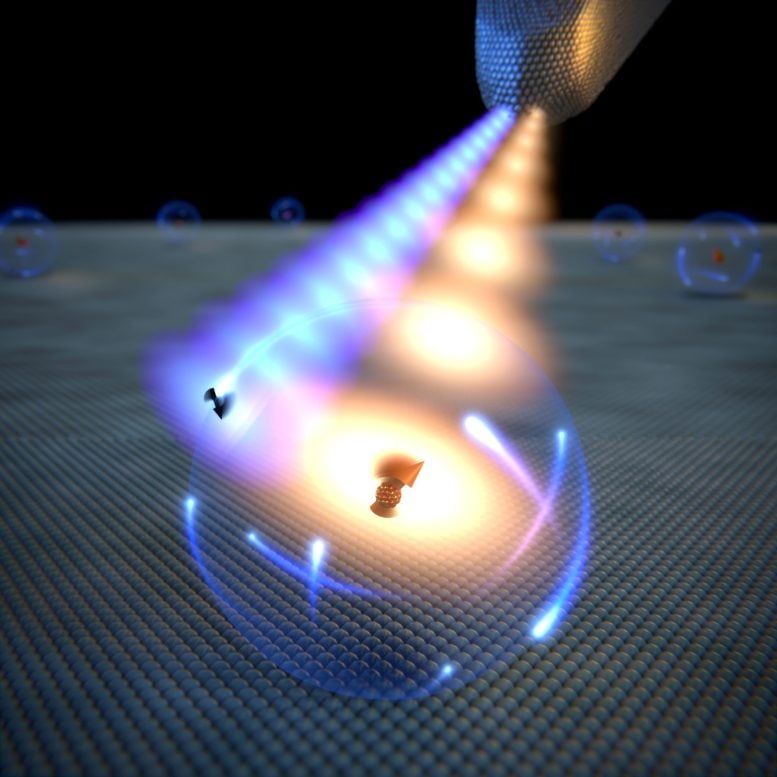
 A new technique allows researchers to manipulate magnetism deep within a single atom. Scientists have used radio waves to control the magnetic spin of a single atomic nucleus, achieving a result that challenges their understanding of how atomic magnetism works. The experiment, conducted at Delft University of Technology and published in Nature Communications, demonstrates that […]
A Hidden Cancer-Killing Mechanism Could Change the Future of Immunotherapy
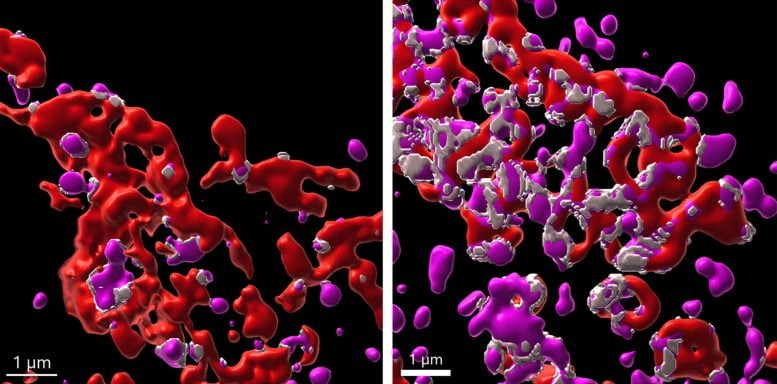
 An immune protein called perforin can turn iron against cancer cells in laboratory experiments, suggesting a possible route to more effective immunotherapy. The immune system can attack cancer cells by punching holes in their outer membranes and sending in enzymes that kill them. Research led by the University of Michigan Health Rogel Cancer Center shows […]
Massive Study of 2.8 Million People Reveals New Secrets of Alzheimer’s Disease
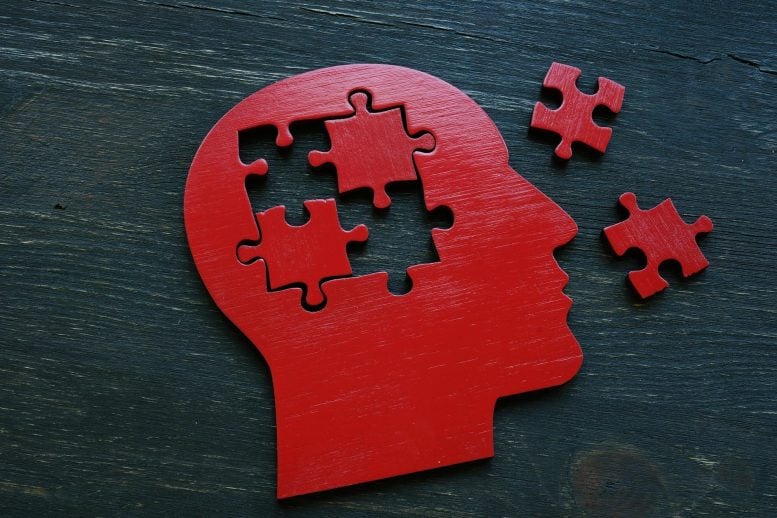
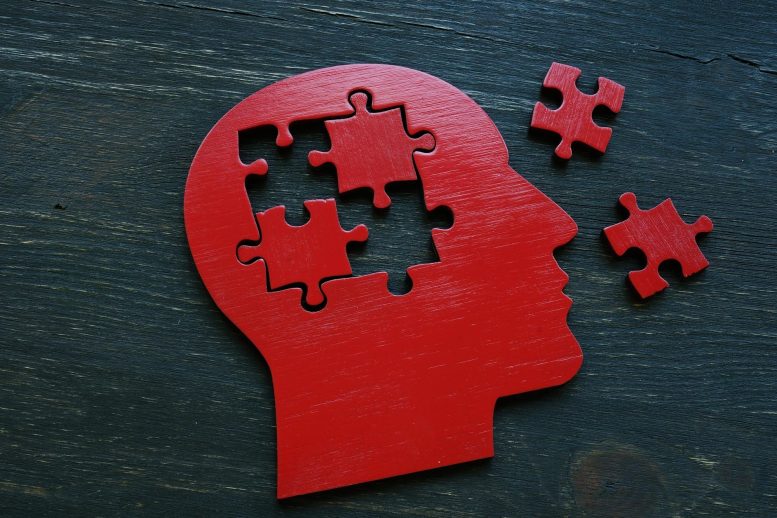 A genetic analysis of 2.8 million people points to specific brain cells that may influence Alzheimer’s, offering researchers new leads to investigate in the search for treatments. Alzheimer’s disease is the leading cause of dementia, which is projected to affect more than 150 million people worldwide by 2050. Genes play a substantial role in Alzheimer’s […]
An Ancient Virus May Hold the Secret to What Makes the Human Brain Different
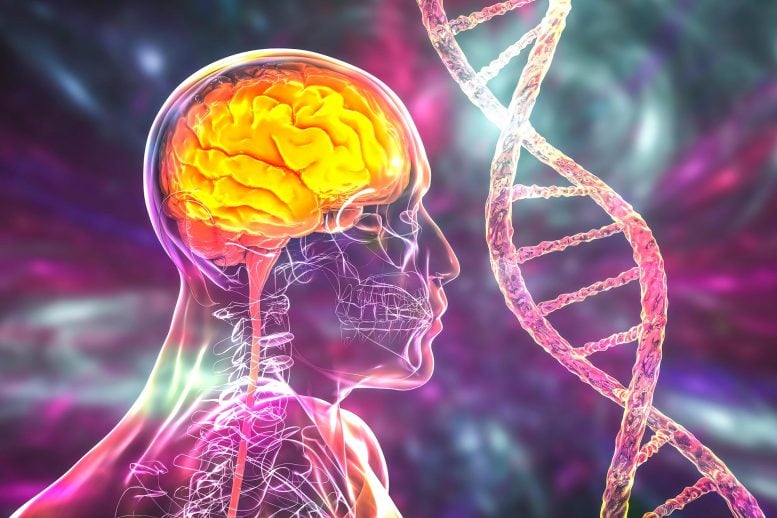
 Could a virus that infected chimpanzees millions of years ago help explain how the human brain became different? Researchers at Lund University have discovered that ancient viral DNA embedded in the chimpanzee genome silences a gene involved in early human brain development. Their study, published in Science Advances, found that the gene, LINC00662, remains active […]
James Webb Discovers a Nearly Pristine Galaxy From the Dawn of the Universe
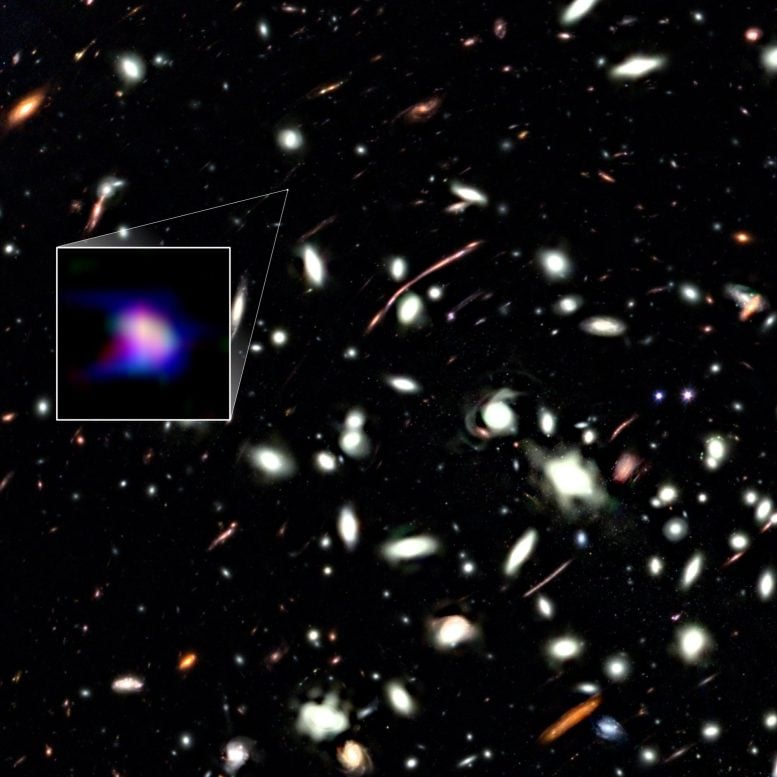
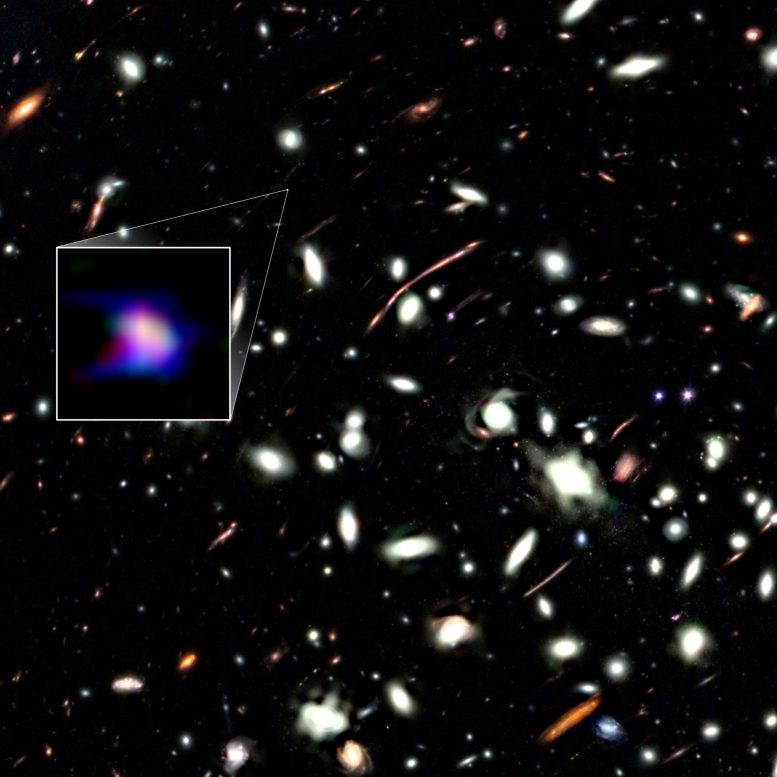 A galaxy seen 13 billion years ago has just 1/240th the Sun’s oxygen abundance, offering a rare glimpse of what the ancestors of the Milky Way’s faintest neighbors may have looked like. Some of the faintest galaxies near the Milky Way may be survivors from the earliest chapters of cosmic history. Their ancient stars preserve […]
Something Unusual Is Swirling around the Monster Black Hole at the Center of Our Galaxy
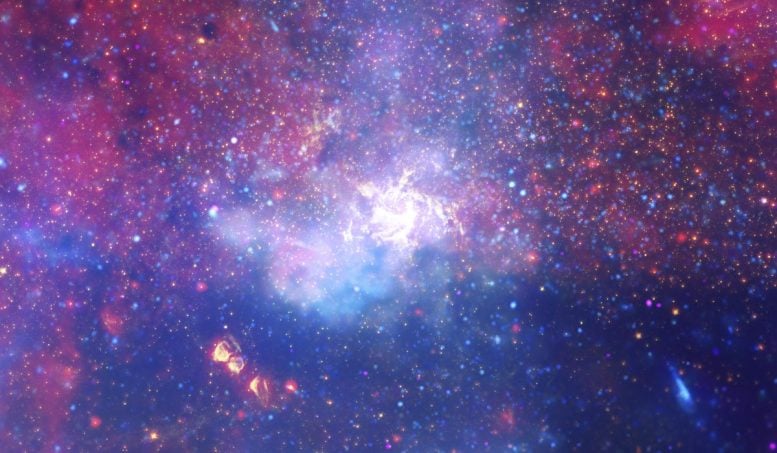
 Webb’s measurements of metal-rich gas offer clues to the processes that fuel our galaxy’s supermassive black hole, which consumes material more slowly than others. The gas circling the Milky Way’s central black hole is rich in metals, probably supplied by stars that exploded and released material into its surroundings over time. Researchers at McGill University’s […]